Wondering what coastal living in Savannah really feels like day to day? You might picture oak-shaded squares, fresh seafood, and easy beach trips. That’s all here, but so are seasonal crowds, summer humidity, and some practical planning around storms and insurance. In this guide, you’ll get a grounded look at lifestyle, neighborhoods, climate, and the tradeoffs to weigh before you move. Let’s dive in.
Daily rhythm in Savannah
Walkable historic core
If you live in the Historic District, you can walk to parks, restaurants, galleries, and errands. The grid of 22 public squares creates short, pleasant walks and frequent chances to meet neighbors. You’ll likely swap some yard space for a lively street scene and beautiful architecture.
Suburbs and islands by car
Beyond downtown, you’ll find a mix of streetcar-era neighborhoods and newer suburbs. Areas like Ardsley Park, the Victorian District, and parts of Starland have walkable pockets and local shops. Pooler, Southside, and the islands are more car-oriented, with larger lots and easy access to big-box retail and major roads.
Tourism seasons to expect
Savannah’s visitor economy is strong, and you’ll feel it downtown. River Street and the Historic District get busy on weekends and during popular events. St. Patrick’s Day is a major draw, and reservations, parking, and noise can be challenging in peak times. Many residents still love living downtown year-round; it helps to evaluate specific blocks and consider an off-street parking option.
Outdoor life and water access
Beaches and barrier islands
One of the biggest perks is how fast you can get to the water. From much of Chatham County, you can reach Tybee Island in under 30 minutes for a beach day. You’ll also find scenic marsh views and public riverfront spots for sunset walks and casual dining.
Boating, fishing, and marsh time
If you enjoy boating, kayaking, or fishing, the creeks and salt marshes offer year-round options. You can paddle quiet backwaters, launch a skiff, or head out to deeper water on good weather days. Waterfront homes often sit on raised foundations and command a premium, reflecting both access and risk considerations.
Parks, golf, and simple pleasures
Urban parks and the riverwalk make everyday outdoor time easy. Golf and nature preserves are nearby, so you can keep an active routine even outside the beach season. Summer heat is real, so plan morning or evening outings and rely on shade and hydration.
Climate you will live with
Summer heat and humidity
Savannah has a humid subtropical climate. Summers are hot and sticky, and afternoon thunderstorms are common. Air-conditioning is essential for comfort and resale, and mosquitoes are part of the equation for several months a year.
Mild winters
Winters are generally mild, with more days for outdoor time compared to northern markets. You may see an occasional cold snap, but snow is rare. The long growing season means gardens and landscaping can thrive with the right care.
Storm season readiness
Hurricane and tropical-storm season runs from June through November. Flooding and wind are the main risks, especially in low-lying areas. Good planning includes checking flood zones, reviewing elevation certificates, and building a seasonal preparedness routine. Long term, sea-level rise and increased tidal flooding are documented concerns for some neighborhoods and barrier islands.
Homes and neighborhoods
Historic urban homes
Savannah’s Historic and Victorian districts offer antebellum and 19th-century rowhouses, brick townhomes, and Victorian-era properties. These homes come with character and walkability, plus possible renovation rules and higher upkeep. Restored properties often command higher prices per square foot.
Early 20th-century districts
Ardsley Park and nearby areas feature bungalows and craftsman homes on tree-lined streets. You get a quieter residential feel close to downtown. Architecture varies block by block, and many homes have been updated while keeping original details.
Suburban options
In Pooler and Southside, you’ll find mid-century ranches, split-levels, and newer tract homes with convenient access to shopping and interstates. These areas are more auto-oriented and can offer more interior space for the price compared to historic districts.
Marsh and island living
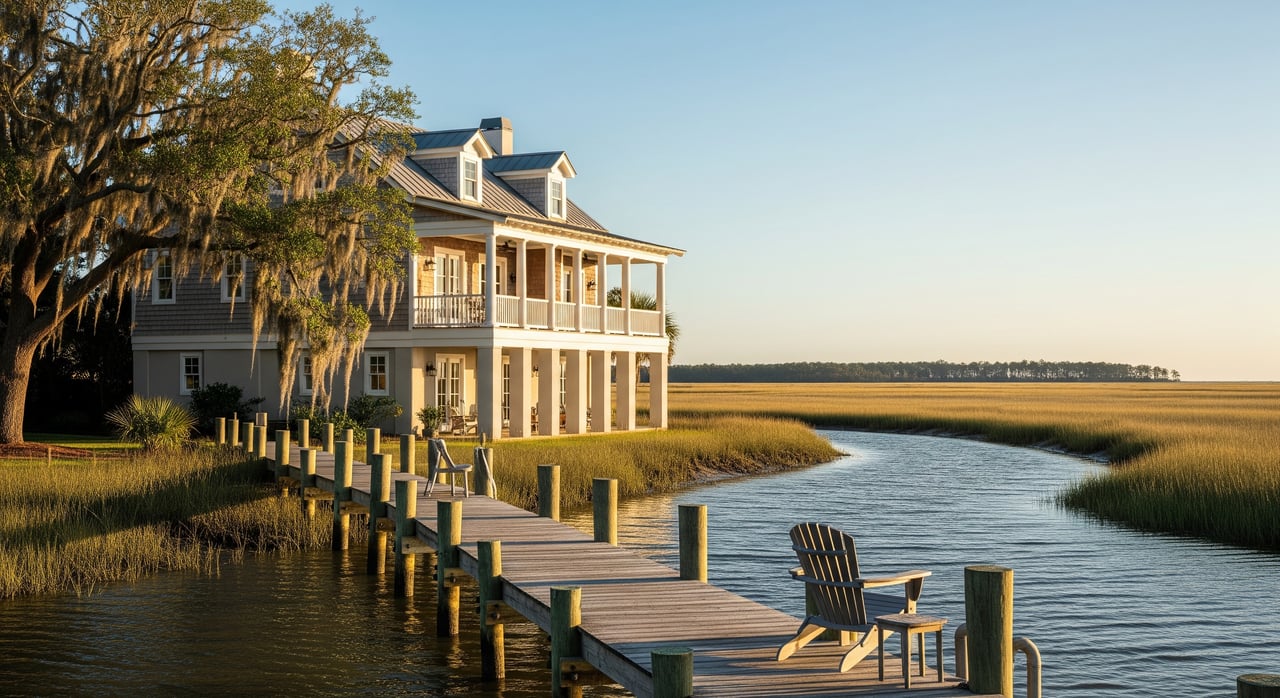
Isle of Hope, Wilmington Island, Whitemarsh Island, and Tybee Island deliver a coastal village feel and water access. Elevated homes on pilings and marsh-front cottages are common. Expect a premium for waterfront and a lifestyle centered on the tides, boating, and beach days.
Condos and lofts
Downtown condos and loft conversions in historic or former industrial buildings are available if you prefer low-maintenance living. You get proximity to dining, galleries, and parks with less exterior upkeep. Short-term rental regulations may apply, depending on the building and location.
Price patterns to know
Historic downtown and waterfront homes are on the higher end. Inland and suburban neighborhoods tend to be more affordable. Barrier-island beachfront and marsh-front properties typically carry a premium, reflecting both desirability and risk.
Short-term rentals
Savannah and the islands have strong demand for short-term rentals. If you’re thinking about investment, review local ordinances for short-term rental rules in your target area. Regulations can affect both pricing and usage.
Daily costs and ownership realities
Insurance and flood zones
In coastal Georgia, you should plan for flood insurance if your home falls within certain FEMA flood zones, plus wind and hurricane coverage. Premiums vary based on elevation and location. It’s smart to get multiple quotes early and understand deductibles, especially for named storms.
Maintenance in coastal climate
Humidity, salt air, and termites add to maintenance. Plan for regular HVAC servicing, dehumidification, exterior paint cycles, pest control, and corrosion protection on exposed metal. Historic homes can require more frequent attention and preservation-compliant work.
Taxes and timing
Georgia’s property tax rates are generally moderate compared to many northern states, and homestead exemptions are available for primary residences. If you are moving in late summer or fall, remember that storm season can affect logistics. If you’re coming from a transit-first city, factor in car ownership unless you choose a very walkable downtown address.
Work, commute, and services
Job sectors
The Port of Savannah anchors a large logistics and shipping sector. You’ll also find aerospace and manufacturing, education and healthcare, and a robust tourism and hospitality economy. Many households combine careers across these sectors within the metro area.
Getting around
Outside the urban core, Savannah is mostly auto-oriented. Average commute times are generally shorter than in large metros, but results depend on where you live relative to job centers. Downtown supports walking and biking, with bus service and shuttles available in parts of the city.
Healthcare access
Savannah offers full-service regional medical centers and specialty care. For certain tertiary services, some residents travel to larger metros. It’s worth mapping your preferred providers against your housing search to keep care convenient.
Tradeoffs to consider
Historic charm vs convenience
Walkable, historic homes deliver character and location but can have renovation restrictions and higher upkeep. Newer suburban homes can offer space, parking, and modern systems with fewer rules. Your sweet spot depends on how you balance aesthetics, daily routines, and budget for maintenance.
Coastal lifestyle vs risk
Water views and beach access are a major lifestyle upgrade for many buyers. They also come with exposure to storms, flood risk, and related insurance costs. A clear plan for risk, mitigation, and coverage helps you enjoy the perks with fewer surprises.
Downtown energy vs quiet
Being close to dining, arts, and events can be a joy, especially with a walkable commute. It also brings peak-season crowds, noise, and parking challenges. If you value quiet, focus your search on calmer blocks, off-street parking, or residential neighborhoods just beyond the core.
Smart due diligence steps
- Review FEMA flood maps for your addresses of interest and request elevation certificates for low-lying or waterfront homes.
- Add inspection focus areas for humidity-related issues, termite history, HVAC age and condition, and raised foundation integrity.
- Verify short-term rental rules if you plan to rent part or all of a property.
- Confirm current school boundaries and performance data if schools are a priority in your decision.
- Visit during both peak and off-peak seasons to gauge traffic, noise, and climate comfort.
- Price total monthly housing costs, not just purchase price. Include insurance, maintenance, and flood mitigation.
Who thrives where
- Historic District and Victorian District: Ideal if you love walkability, architecture, and being near galleries and restaurants. Expect more tourism nearby and potential renovation rules.
- Ardsley Park and nearby early-20th-century areas: A classic residential feel close to downtown with a mix of bungalows and craftsman homes.
- Starland and Eastside: A growing arts and dining scene with opportunities to renovate or buy at relatively accessible price points.
- Isle of Hope, Wilmington Island, Whitemarsh Island: A coastal vibe with water access and a village feel, plus elevated homes and marsh-front options.
- Tybee Island: Beach-town living with seasonal tourism and a mix of full-time residents and vacation properties.
- Pooler and Southside: Newer homes, big-box convenience, and proximity to interstates and the airport.
Ready to explore with a guide
Coastal living in Savannah is a blend of oak-shaded streets, marsh breezes, and a pace that rewards planning ahead. You can enjoy beach days, a lively arts and food scene, and a range of home styles from historic to turnkey. The key is matching neighborhood, risk profile, and budget to your goals, then moving forward with clear next steps.
If you want a disciplined, locally grounded plan for your move or investment, reach out to Chuck Hudson. As a veteran-led, full-service advisor with deep neighborhood knowledge and investor resources, you’ll get straight answers, clear timelines, and a concierge-level experience from search to closing.
FAQs
Is downtown Savannah too touristy to live in year-round?
- Many residents enjoy downtown full time. Evaluate specific blocks for nightlife and parking, and plan for busy seasons and event weekends.
How risky are hurricanes and flooding near Savannah?
- Risk depends on elevation and proximity to the marsh, river, or ocean. Check FEMA flood zones, request elevation certificates, and secure appropriate insurance.
What neighborhoods offer easy water access?
- Isle of Hope, Wilmington Island, Whitemarsh Island, and Tybee Island provide proximity to creeks, marshes, and beaches, with many elevated homes.
What upkeep should I expect for a historic home?
- Plan for moisture control, pest mitigation, HVAC servicing, and exterior preservation. Renovations may require design review in historic districts.
Do I need a car if I live in Savannah?
- Downtown supports walking and some transit, but most areas are auto-oriented. If you live outside the core, plan on at least one vehicle.