Thinking about living in Pooler instead of downtown Savannah? You are not alone. Many buyers weigh suburban convenience against historic charm when they move to coastal Georgia. In this guide, you will see how daily life actually feels in Pooler, from commutes and errands to home styles and weekend fun, so you can choose with confidence. Let’s dive in.
Pooler vs. Savannah at a glance
Pooler has been growing fast and functions as a higher‑income, commuter‑friendly suburb compared with Savannah’s city averages. According to U.S. Census QuickFacts, Pooler’s estimated population is about 31,171 as of July 1, 2024, and residents report a mean commute of about 22.5 minutes. Savannah shows a mean commute around 20.4 minutes and a lower median household income than Pooler, which reinforces the suburb‑versus‑city contrast. You can review these indicators on the Pooler and Savannah QuickFacts pages for more detail.
- Pooler population growth and commute indicators: U.S. Census QuickFacts for Pooler
- Savannah commute time and income indicators: U.S. Census QuickFacts for Savannah
Bottom line: Pooler tends to offer newer homes, quick access to highways, and suburban shopping. Downtown Savannah offers walkability, historic architecture, and lively street‑level activity.
Commute and getting around
Highway access and drive times
Pooler sits just west of Savannah with direct connections to I‑16, I‑95, and Pooler Parkway. This makes freeway driving the default for many residents headed to downtown, the Port, or employers along the interstates. Peak‑hour slowdowns are common near the I‑95 and I‑16 interchange and along Pooler Parkway. You can see how these corridors come together on the AARoads guide to I‑95 north of Savannah.
For many households, a typical Pooler to Historic District trip runs roughly 12 to 18 miles and about 15 to 30 minutes in normal traffic. Construction or rush hour can add more time. A sample mapping estimate places the nonstop drive at around 14 miles and 18 minutes; you can preview an example route on this distance overview.
Public transit and alternatives
Chatham Area Transit is centered on Savannah’s core, with limited fixed‑route service in outer suburbs. If you live in Pooler, expect a car‑centric routine for commuting and errands, and check current routes and schedules before relying on transit. Learn more about the system on the Chatham Area Transit page.
Practical takeaway: If you want to drive less and walk more to dining, parks, and nightlife, living inside or near downtown Savannah helps. If you prefer quick highway access and easy parking for daily errands, Pooler fits that pattern.
Shopping, dining, and fun
Pooler: Suburban convenience
Pooler delivers one‑stop shopping and national‑brand dining around Pooler Parkway and the outlet district. The Tanger Outlets are a regional draw and make gift runs or back‑to‑school shopping simple. Explore the Tanger Outlets Savannah page to see the mix of stores.
You will also find family‑friendly attractions and parks across Pooler and West Chatham. These destinations are spread out, so you will usually drive between stops, which keeps parking easy and logistics straightforward.
Savannah: Walkable variety
Downtown’s Historic District is compact and lively, with independent restaurants, boutiques, art, and frequent street activity around the squares, Forsyth Park, and River Street. If you live close in, you can leave the car at home more often. Get a feel for the neighborhood mix through Visit Savannah’s overview.
What this means for you: Choose Pooler if you want fast access to big‑box stores, outlets, and chain dining with abundant parking. Choose downtown if you want walkable variety, historic streetscapes, and a wider mix of independent spots.
Homes and neighborhoods
What you get in Pooler
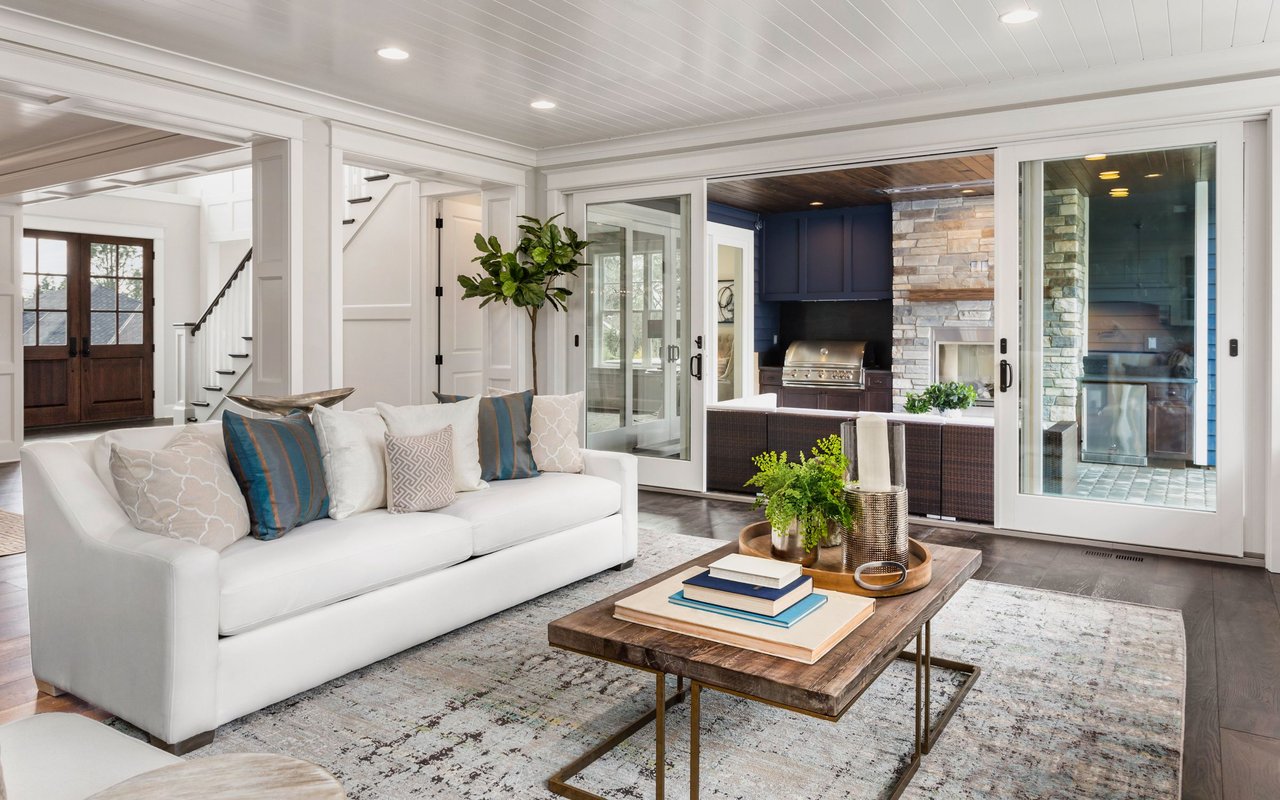
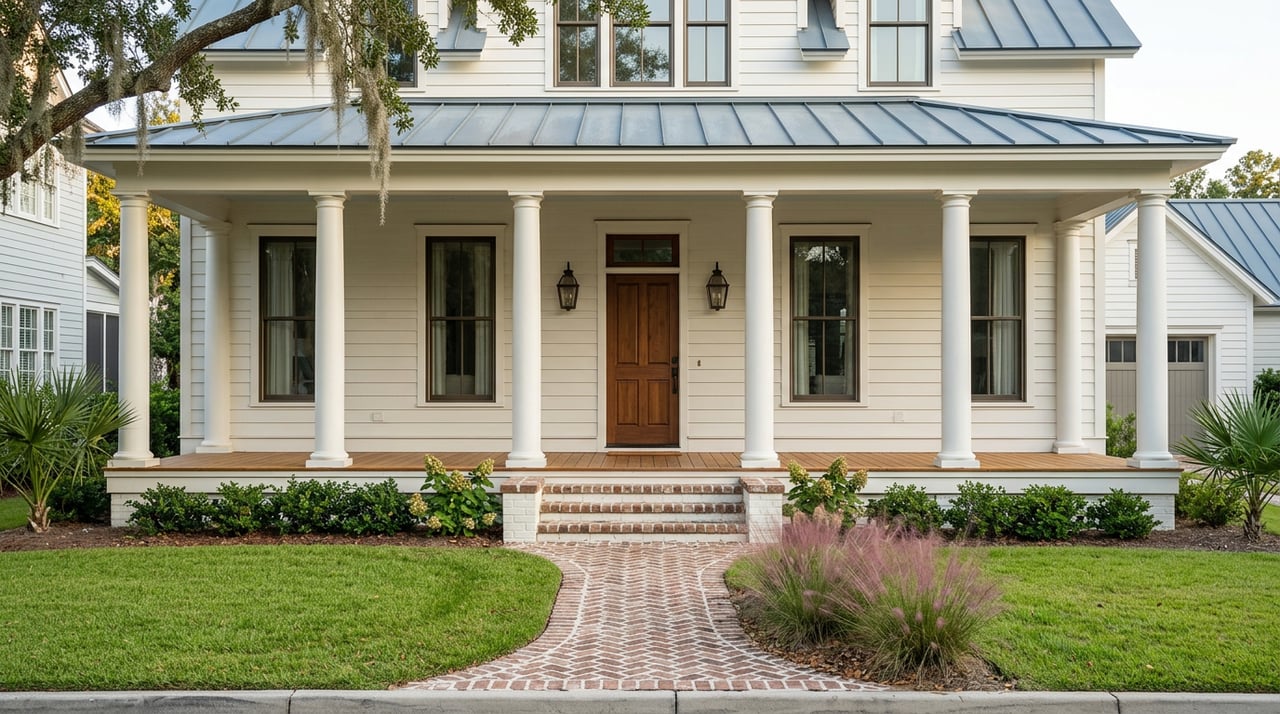
Much of Pooler’s growth has happened in master‑planned neighborhoods with newer construction, HOA amenities, and larger yards. You will see contemporary floor plans, community pools, golf‑oriented enclaves, and both gated and non‑gated options. For a sense of this style, explore community points of interest around Savannah Quarters.
In practical terms, the same budget often buys more square footage, newer systems, and a bigger lot in Pooler than in Savannah’s historic core. That extra space is helpful if you want a home office, a playroom, or a yard for pets.
What you get near downtown
Inside Savannah’s Historic District and nearby in‑town neighborhoods, housing skews historic and often attached or on smaller lots. Think townhomes, rowhouses, lofts, and older single‑family homes with architectural character and preservation considerations. You will likely trade yard size and new‑build features for walkability and charm.
Key tradeoff: Pooler favors space and newness. Downtown favors history and location. Both options can work well, depending on your daily priorities.
Pace of life and noise
Pooler’s daily rhythm is suburban and car‑oriented. You will notice family activities, neighborhood events, and a quieter street scene once you pull into your subdivision. Proximity to Savannah/Hilton Head International Airport and the interstate corridor is a plus for frequent travelers, though certain corridors can see more freight and airport‑related traffic.
Downtown Savannah is denser and busier, with tourism, nightlife, and special events adding energy and occasional noise. Parking can be tighter, and you will encounter more foot traffic and visitors. If you enjoy lively streets and a short stroll to dinner, that tradeoff can be worth it.
Schools and daily services
Pooler is served by the Savannah‑Chatham County Public School System, including local K–8 and elementary campuses that align with area neighborhoods. Attendance zones can change, so verify current assignments with the district before you rely on a specific school. Start with the SCCPSS website.
For health care and specialty services, most Pooler residents drive to hubs across Chatham County. You will find everyday conveniences close to home, while larger services cluster across the metro area.
Who Pooler tends to fit
- You want more house and yard for the money, plus newer construction.
- You prefer easy parking and quick highway access for commuting.
- You like the convenience of outlets, big‑box retail, and suburban dining.
- You work hybrid or remotely and value space for an office or gym.
- You travel often and want a short drive to the airport.
If you crave walkability, a dense dining scene, and historic settings, a downtown Savannah address or close‑in neighborhood may be a better fit.
Try a day in each
A weekday in Pooler
- Morning: School drop‑off, then hop on I‑16 or Pooler Parkway to the office. Parking is simple at most suburban workplaces.
- Lunch: Quick drive to a national chain or local spot near Pooler Parkway.
- Afternoon: Swing by the outlets for an errand. Back home in minutes.
- Evening: Neighborhood walk, backyard grilling, or a short drive to a family restaurant.
A weekday near downtown Savannah
- Morning: Walk or bike to coffee. Short in‑city drive to work or a rideshare.
- Lunch: Choose from a mix of independent restaurants within a few blocks.
- Afternoon: Errands on foot around the squares or a quick spin to a market.
- Evening: Dinner and a show or a riverfront stroll, then home on foot.
Bottom line
If you value space, newer homes, and suburban convenience, Pooler makes daily life predictable and easy. If you want historic character, walkable dining, and active streets, downtown Savannah delivers. Many buyers are happy in Pooler because they get more house and straightforward highways to reach the city when they want it. Think about your commute tolerance, how you like to spend evenings and weekends, and whether yard space or walkability matters more.
Ready to compare neighborhoods, tour homes, or map your commute options? Reach out to Chuck Hudson for veteran‑led guidance and a local plan that fits your timeline.
FAQs
Is Pooler a good choice if I work in downtown Savannah?
- Yes. Many residents commute via I‑16 and Pooler Parkway. Typical drive times are about 15 to 30 minutes in normal traffic, with longer times at peaks.
How long is the commute from Pooler to Savannah’s Historic District?
- Expect roughly 12 to 18 miles and 15 to 30 minutes in normal conditions. Construction and rush hour can add time, especially near major interchanges.
How does shopping and dining differ between Pooler and downtown Savannah?
- Pooler offers outlets, big‑box retail, and chain dining with easy parking. Downtown is walkable with a high concentration of independent restaurants, boutiques, and cultural venues.
What types of homes are common in Pooler?
- Newer single‑family homes in planned communities are common, often with HOA amenities and larger yards. You will also see townhomes and smaller subdivisions.
Does Pooler have public transit service to Savannah?
- Chatham Area Transit focuses on the urban core and has limited suburban service. If you live in Pooler, plan for a car‑centric routine and check current CAT routes before relying on transit.
Which public schools serve Pooler?
- Pooler is served by Savannah‑Chatham County Public Schools, including local K–8 and elementary campuses. Confirm attendance zones with the district before making decisions.