Thinking about moving to Savannah and torn between the Historic District and the Southside? You are not alone. Each area offers a very different daily rhythm, housing mix, and cost profile. This guide breaks down the tradeoffs so you can choose the fit that matches your lifestyle, budget, and commute. You will also get practical steps to verify key details like schools, parking, and flood risk. Let’s dive in.
Big-picture feel: Historic District vs Southside
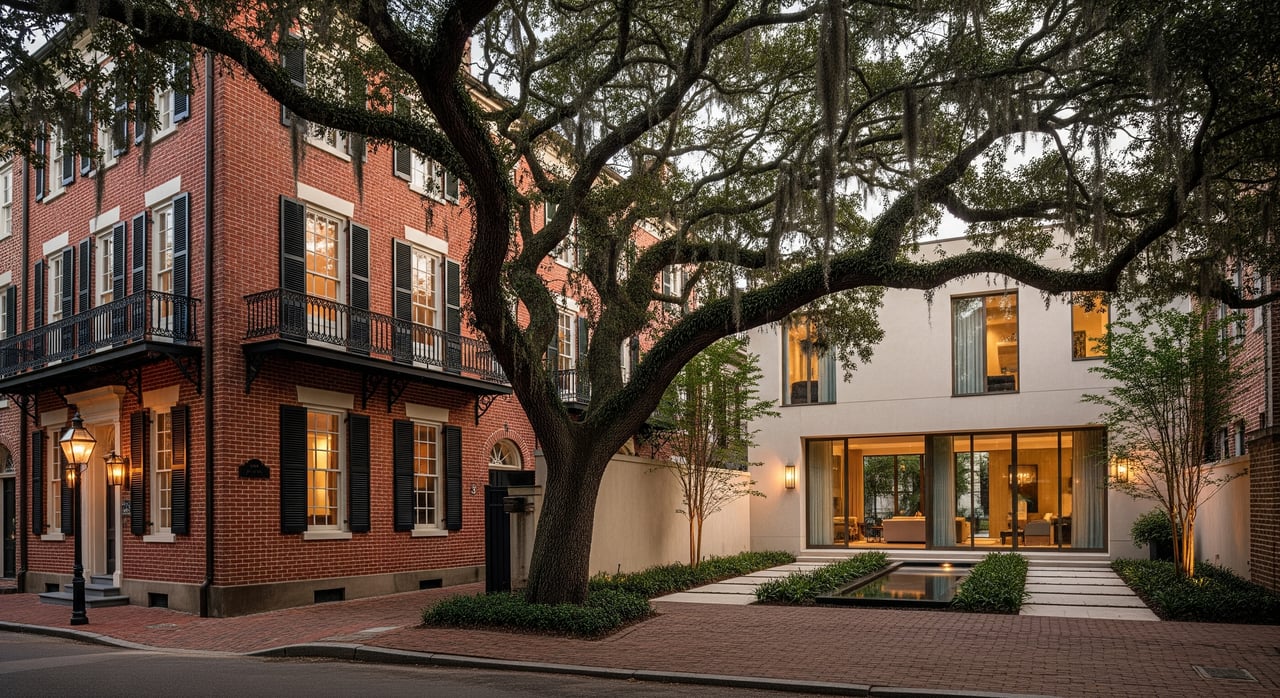
Savannah’s Historic District gives you a dense, walkable grid with 18th and 19th-century homes, leafy squares, and a lively mix of restaurants, shops, and cultural sites. You can stroll to parks like Forsyth and many daily needs. You trade that walkability for smaller yards, stairs, and older-home maintenance. Tourist seasons can bring more noise and foot traffic.
The Southside delivers a suburban feel with newer subdivisions, larger lots, garages, and easier parking. You will find more space per dollar, predictable floor plans, and family-friendly amenities. Daily life is more car-dependent, and trips to downtown destinations take longer.
If you want walkable charm and historic character, the Historic District fits well. If you value space, garages, and newer systems, Southside is a strong match.
Housing types and what your budget buys
In the Historic District, housing skews toward townhouses, rowhouses, small detached homes on compact lots, and condos or apartments in historic buildings. Inventory is tighter, especially for larger homes with yards. Well-located historic properties often draw strong interest.
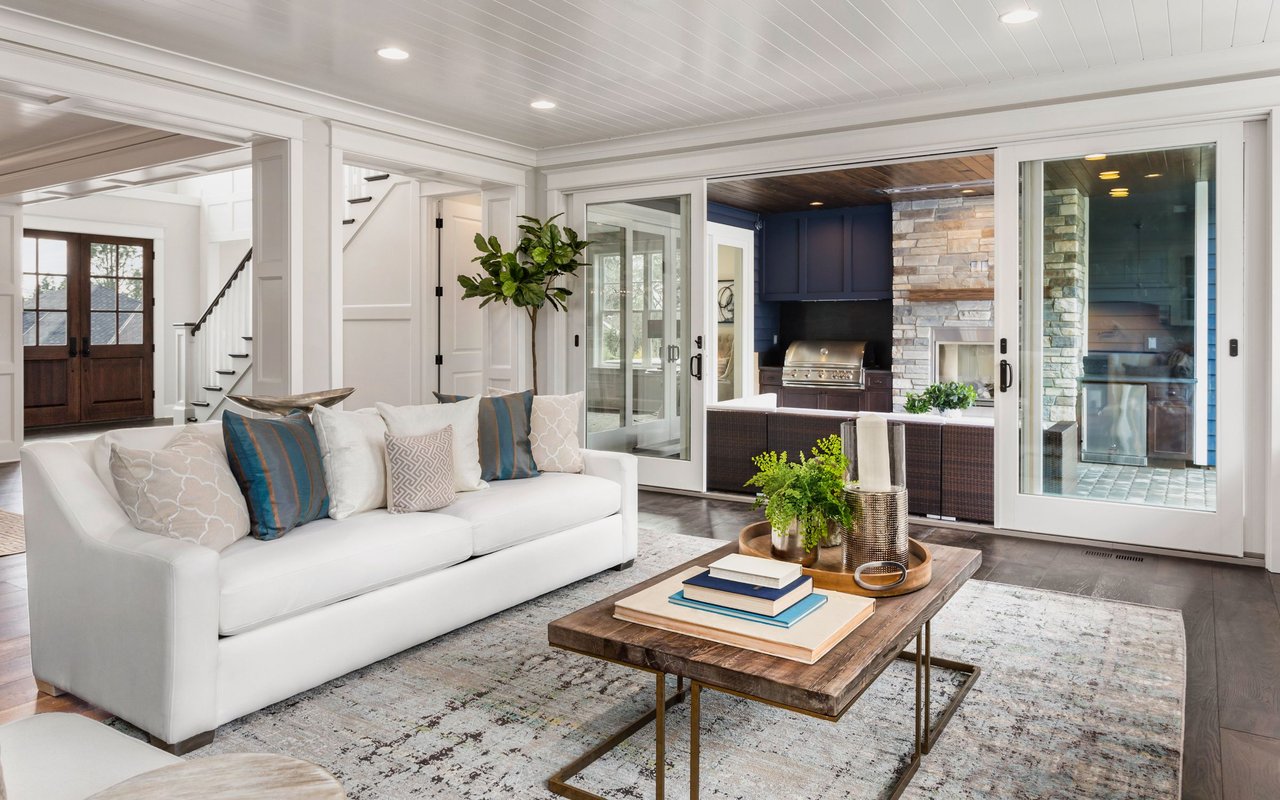
On the Southside, most options are single-family homes, plus some townhomes and garden-style condos. You can expect more square footage and lot size per dollar than downtown. You will also see newer systems like HVAC and roofing that can reduce near-term maintenance.
Across the market, the general pattern is that the Historic District commands a premium for location, architecture, and walkability. Southside typically offers more for the money and more choices for family-sized layouts. For current pricing, ask your agent for fresh MLS data and neighborhood-level snapshots. Inventory and trends change fast.
Commute, transit, and parking
If you work downtown, the Historic District can cut your commute to a walk or short bike ride. For jobs outside the core, you will likely drive. The Southside relies more on cars to reach job centers across the metro. At peak times, plan for congestion along major corridors.
Public buses serve both areas through Chatham Area Transit. Route coverage and frequency vary by neighborhood, so check Chatham Area Transit for maps and schedules. Before you choose an area, map your commute during peak hours and compare real drive times.
Parking is a key difference. Many Historic District homes do not have private driveways or garages. On-street parking can be metered or permit-controlled, and curb space can tighten during busy seasons. On the Southside, most homes include off-street parking, two-car garages, and easier access for multi-vehicle households.
Schools and childcare basics
Public schools in Savannah are operated by the Savannah-Chatham County Public School System. School zones and program offerings vary by address. The Southside tends to have more neighborhood schools nearby. Families in the Historic District may enroll in downtown options or consider private or charter choices.
Your next step is to confirm exact attendance zones and programs for any address through the Savannah-Chatham County Public School System. For a fuller picture, contact schools directly to learn about enrollment processes, curriculum offerings, and transportation.
Safety, noise, and livability
The Historic District’s active dining and tourism scene means more pedestrian activity and occasional evening noise. Crowds rise during peak seasons. Southside subdivisions are often quieter and more residential in feel. Crime patterns vary by block across the county. Review local police statistics and community crime maps to understand patterns around any specific property.
Flood risk and insurance
Savannah’s coastal setting makes flood risk an important part of due diligence. Portions of the Historic District sit near low-lying areas and may fall within special flood hazard areas. Southside neighborhoods vary in elevation and risk by parcel.
Before you make an offer, check the property’s flood zone on the FEMA Flood Map Service Center and request any elevation certificate from the seller. Then obtain insurance quotes for homeowner, flood, and wind/hurricane coverage so you can budget the true monthly costs. Expect premiums to vary based on elevation, construction, and proximity to flood zones.
Condo or single-family: which fits your family
Condo, loft, and rowhouse living is more common in the Historic District and can be a great match if you want lower exterior maintenance and strong walkability. Some buildings offer on-site parking or security, though parking and storage can still be limited. You will have HOA fees and rules. In historic structures, modernization can be more complex, and you should pay close attention to the HOA’s finances and reserves.
Single-family homes dominate the Southside and also appear in parts of the Historic District. You get private yard space, garages, and more flexibility for interior and exterior updates. You also take on full maintenance responsibility, including yard work and systems. Newer construction can reduce near-term repair risk, but always confirm roof, HVAC, and major system ages.
As you choose, factor in family size, need for outdoor play space, comfort with stairs or elevators, parking needs, and your total monthly budget including mortgage, HOA fees if applicable, insurance, and ongoing maintenance.
Renovation rules and preservation
In the Historic District, exterior changes are regulated. You may need approvals for windows, doors, materials, and other visible work. The process often includes applying for a Certificate of Appropriateness and following specific design standards.
Plan for longer timelines and potentially higher renovation costs for historic properties due to specialty materials and skilled labor. For clarity on what is likely to be approved, contact the City of Savannah’s Historic Preservation staff through the City of Savannah and review local preservation guidance. For additional context on preservation and notable properties, explore the Historic Savannah Foundation.
Daily-life checks to verify before you buy
Use these steps to pressure-test each area against your needs:
- Commute: Map your route during actual peak hours to each workplace. Compare drive, bike, and bus options.
- Parking: Confirm whether the property has a private driveway, garage, assigned space, or on-street permits. Ask about guest parking.
- Flood: Verify flood zone status on the FEMA Flood Map Service Center. Get elevation certificates and insurance quotes early.
- Schools: Confirm attendance zones, transportation, and programs with the Savannah-Chatham County Public School System.
- Property facts: Review tax records, lot size, past permits, and HOA covenants where applicable. Ask for seller disclosures and any inspection reports.
- Building systems: Confirm roof and HVAC ages, recent repairs, and any history of water intrusion or termite treatment.
- Historic oversight: For Historic District homes, request any prior approvals and understand rules for exterior changes. Start a quick consultation with city preservation staff.
Search tips for each area
Historic District
- Filter for condos, townhomes, and historic properties, and add a parking or garage filter if you need private parking.
- Check property tax records for past renovations and the age of systems. Ask if a Certificate of Appropriateness was issued for previous exterior work.
- Verify flood zone and ask for the elevation certificate if available.
Southside
- Filter for lot size, garage spaces, and year built to target newer systems and layouts.
- Use drive-time filters to workplaces and schools, and tour at peak hours to test traffic patterns.
- Confirm HOA fees and community amenities, then compare them to your monthly budget and lifestyle.
Quick decision checklist
Choose the Historic District if you prioritize:
- Walkability to parks, restaurants, and cultural sites
- Historic character and unique architecture
- Short local trips and less car dependence
Tradeoffs to plan for:
- Limited private parking and smaller yards
- Potentially higher purchase price per square foot
- Preservation rules for exterior changes
Choose the Southside if you prioritize:
- Larger homes and private yards
- Garages, driveways, and easier parking
- Newer systems and more entry-level price points
Tradeoffs to plan for:
- More driving and longer trips to downtown
- Car-dependent daily life
Regardless of area, verify:
- School zones and programs with SCCPSS
- Flood risk, insurance costs, and elevation data
- Real commute times at the hours you will travel
- HOA fees, parking arrangements, and likely maintenance costs
Your next move
If you want historic charm and walkability, the Historic District can be a great fit. If you want space, parking, and newer construction, the Southside delivers value. The right answer comes from matching your nonnegotiables with real data on commute, flood, schools, and total monthly costs.
If you are ready to compare homes side by side, set up a tailored MLS search, and pressure-test commute and insurance costs, reach out to Chuck Hudson for a local, veteran-led plan that fits your timeline and budget.
FAQs
How do I compare commute times between Historic District and Southside?
- Map each route during peak hours, test it on different days, and compare options with Chatham Area Transit if bus service could work for you.
What should I know about parking in the Historic District?
- Many homes lack private driveways or garages, and some streets have metered or permit parking, so confirm assigned spaces, permits, and guest options before you commit.
How can I check flood risk for a specific property in Savannah?
- Look up the address on the FEMA Flood Map Service Center, request any elevation certificate, and get quotes for flood and wind coverage before you make an offer.
Are condos in the Historic District practical for families?
- They can be if you value walkability and lower exterior maintenance, but account for HOA fees, storage, parking arrangements, and any historic-building constraints.
How do I confirm school zones for an address in Savannah?
- Use the Savannah-Chatham County Public School System to verify attendance zones and contact schools directly for enrollment and program details.